16mm Pickleball Paddle Tips for Better Game Performance?
Improving your game with a 16mm Pickleball Paddle requires more than just choosing the right equipment. It’s about understanding how to maximize its performance. A 16mm Pickleball Paddle offers unique benefits, especially in control and power. Many players underestimate these factors, leading to inconsistencies during play.
Using this paddle effectively can elevate your performance. Focus on your grip and stance. Are they comfortable and stable? Small adjustments can make a significant difference. The right technique can enhance your game. However, players often overlook their footwork and positioning on the court. These aspects are crucial, yet easy to neglect.
Remember, practice makes perfect. Training with a 16mm Pickleball Paddle can reveal areas for improvement. Analyze each session to identify weaknesses. Don’t be afraid to adjust your strategy. Embrace the learning process, and see how your game can transform.
Understanding the Importance of 16mm Pickleball Paddles
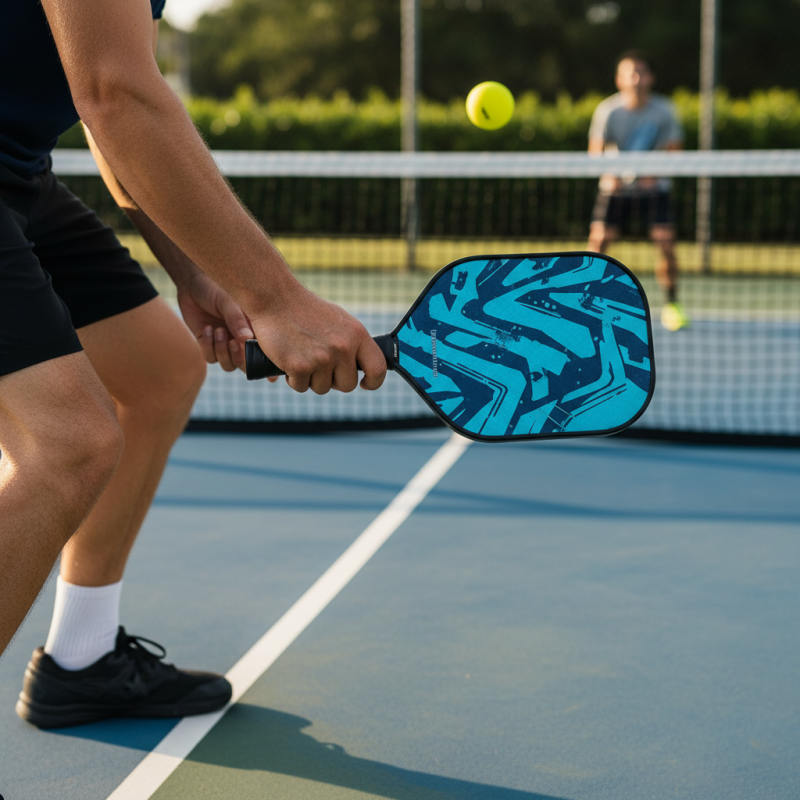
When playing pickleball, the thickness of your paddle significantly impacts your game. A 16mm paddle strikes a balance between power and control. This thickness provides a solid feel for the ball and can enhance your shot accuracy. Players often notice a difference in their performance when using paddles with varying thicknesses. The sweet spot of a 16mm paddle can make hitting the ball more rewarding.
Another aspect to consider is comfort during extended play. A lighter 16mm paddle allows for quick swings without compromising power. However, some players find the transition challenging. You might not immediately notice improvement in your game, but persistence is key. Experimenting with different paddles helps build a personal connection with your equipment.
The texture of the paddle surface also plays a role. A rougher surface can help grip the ball for spin, enhancing control. Many players struggle to adapt their technique based on paddle characteristics. It takes time to master the right feel. Recognizing this can lead to a better understanding of your strengths and weaknesses in the game.
Impact of Paddle Thickness on Game Performance
Key Features of 16mm Pickleball Paddles for Performance
When choosing a 16mm pickleball paddle, key features can greatly enhance play. The thickness of 16mm strikes a balance between power and control. This thickness gives players a solid feel during strikes. It allows for a good amount of forgiveness on off-center hits. However, if you're not precise, this can lead to frustration.
Weight is another crucial aspect. A lighter paddle can offer quicker maneuverability. Yet, some players might struggle with power in their shots. The grip size also matters significantly. It should fit comfortably in your hand. An incorrect grip can cause discomfort or even injuries.
Material impacts performance too. Composite paddles tend to provide a better touch. They can, however, wear out faster than wooden paddles. You may need to reflect on your playing style and preferences. Testing out different paddles can help find the perfect match. Remember, what works for one player might not work for you. Adjustments may be needed along your journey to improve your game.
Training Drills to Improve Shots Using a 16mm Paddle
Training with a 16mm pickleball paddle requires focused drills. One effective drill is the wall rally. Stand a few feet away from a wall. Hit the ball against the wall, aiming for control. Keep your strokes consistent. Adjust your paddle angle for different spins. Notice how the ball reacts. This improves your precision and timing.
Another useful drill is targeting specific areas on the court. Partner up and take turns. Place cones in different spots. Try hitting the ball to these targets. Focus on your footwork. It can feel awkward at times, but it's essential for better positioning. If you miss, don’t get frustrated. Reflect on what went wrong and adjust.
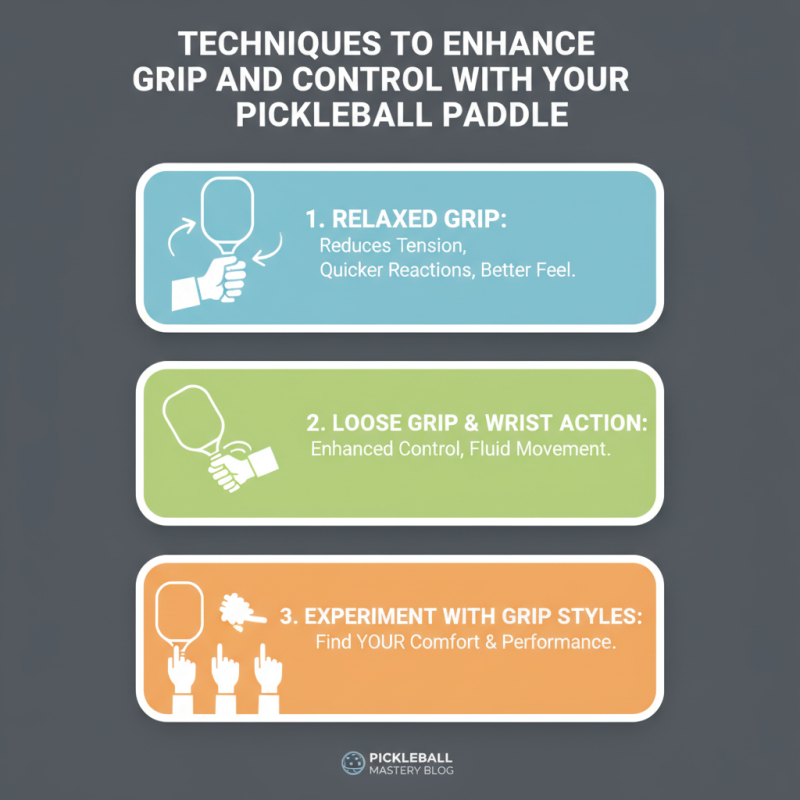
Lastly, practice paddle grip variations. Experiment with different hand placements. A firmer grip might feel powerful, while a looser grip can allow for more finesse. Each approach has its pros and cons. Usually, players stick to one style but trying new grips can reveal hidden strengths. Embrace the discomfort of uncertainty. It's a sign of growth.
16mm Pickleball Paddle Tips for Better Game Performance
| Tip |
Description |
Drill |
Frequency |
| Grip Control |
Maintain a relaxed grip to enhance touch and control. |
Hold the paddle loosely and practice soft shots. |
Daily |
| Footwork |
Stay light on your feet for better court coverage. |
Ladder drills to enhance agility. |
3 times a week |
| Shot Placement |
Aim for the corners to create difficult shots for your opponent. |
Target practice with cones in each corner. |
Twice a week |
| Consistency |
Develop a repeatable swing to increase accuracy. |
Practice swings without a ball to focus on form. |
Every practice session |
| Spin Techniques |
Utilize topspin and backspin for strategic plays. |
Practice different spins and observe ball behavior. |
Weekly |
Common Mistakes to Avoid When Using 16mm Pickleball Paddles
When using 16mm pickleball paddles, it's essential to avoid common mistakes. Many players grip the paddle too tightly. This can lead to tension and hampers your control. A relaxed grip allows for better feel and touch on the ball. You should feel the paddle move comfortably in your hand.
Another mistake is neglecting paddle angle. An improper angle can send the ball flying out of bounds. Focus on the angle as you hit. Adjust your stance and body position, too. Your feet should be positioned correctly for balance and power. Players often overlook footwork, which leads to mishits. Take a moment to reflect on your positioning during games.
Some players also forget to look at the ball during play. This oversight can cause timing issues. Keep your eyes on the ball for better anticipation. Practice tracking the ball as it approaches. It's simple but crucial for improving your game. Every little detail counts. Take note of your mistakes and strive to learn.

 +86 18033331305
 CONTACT NUMBER
 CONTACT NUMBER